

Latest
Story
23 November 2025
It’s time for leadership and vision, Guterres tells G20 in South Africa
Learn more
Story
18 November 2025
Advancing Social Development and Justice: Reflections on the Second G20 Social Summit
Learn more
Press Release
18 November 2025
South Africa Unveils Business Initiative for Impact as G20 Presidency Takes Centre Stage
Learn more
Latest
The Sustainable Development Goals in South Africa
The Sustainable Development Goals are a global call to action to end poverty, protect the earth’s environment and climate, and ensure that people everywhere can enjoy peace and prosperity. These are the goals the UN is working on in South Africa:
Story
04 October 2023
Women owning the ‘menstrual economy’: South African entrepreneur changing lives through a thriving sanitary pads manufacturing venture
Over the past few years, there have been concerted efforts to lift the veil on the taboo and stigma around menstrual hygiene. Not only have there been calls for sanitary products to be freely available but there have been conversations around who owns the means of production of these essential products.
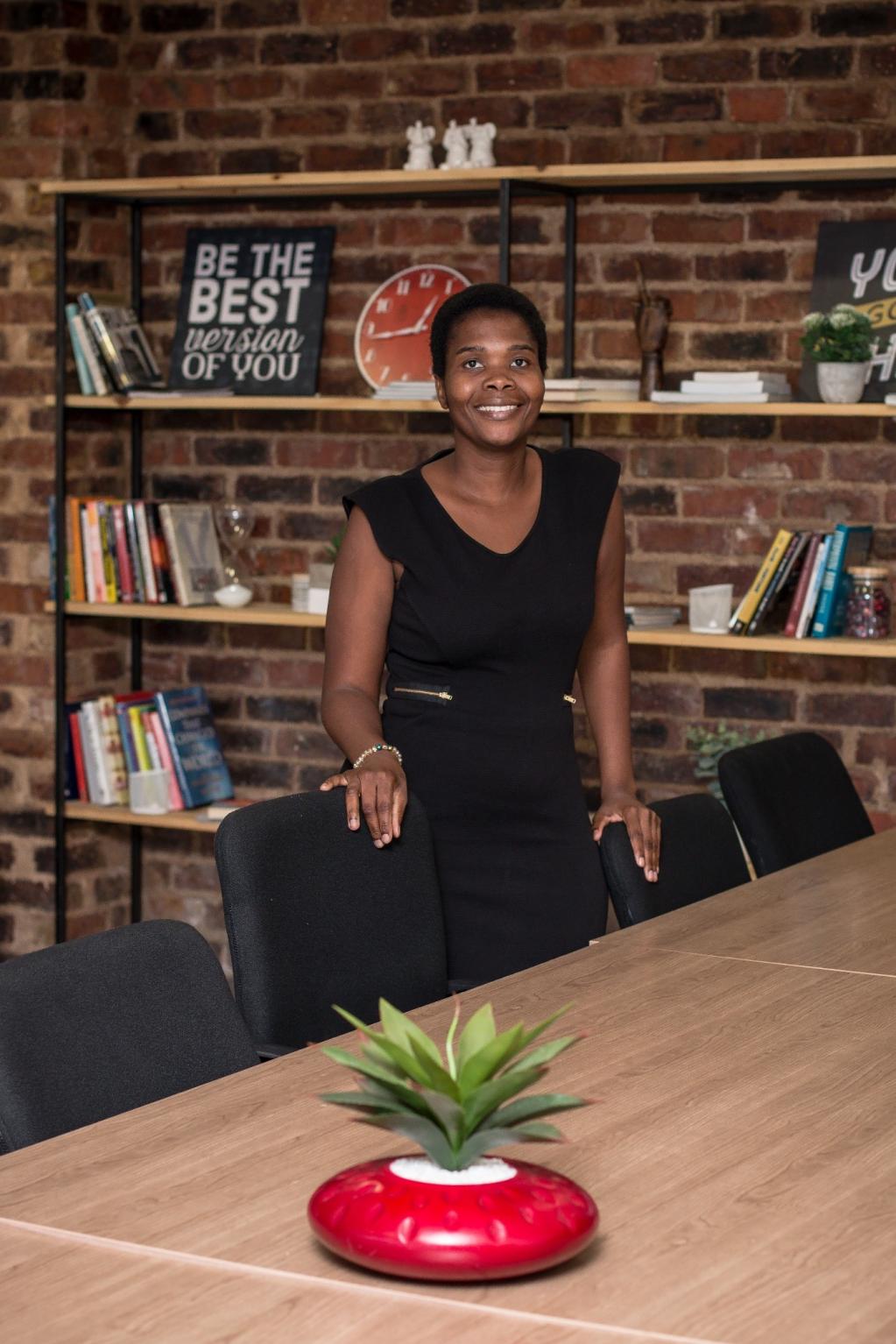
Lindiwe Nkuna-Kgopa, 40, started thinking about putting her ring in the hat of what she calls the menstrual economy in 2015 after following these conversations and realized that in South Africa there were no women-owned, large-scale, manufacturers of sanitary products that can compete with the big suppliers. This was the start of Lindiwe Sanitary Pads which today not only sells to individual customers but supplies the South African government’s National Sanitary Dignity Programme in four provinces. In 2022 alone Lindiwe Sanitary Pads reached 10 000 girls, supplying them with a year’s supply of sanitary pads through the government’s programme, combatting period poverty. “When I started Lindiwe Sanitary Pads I felt it was unfair that women are only end-users of sanitary pads and decided we needed to be active in the menstrual economy. We need to be part of the entire value chain. Menstruation is a huge economy and it’s interesting that with all the taboos and stigma that have existed around menstruation, when it comes to the boardroom where the rands and cents are counted, suddenly men can talk about periods and get involved in the manufacturing and selling of pads,” says Nkuna-Kgopa. “Initially when I approached funders they’d turn down my applications because they said I didn’t have a manufacturing background. I had never even set foot in a factory! So they’d said ‘you don’t have the technical know-how. You are unbankable!’’ she says. An entrepreneur at heart, having previously dabbled in marketing and accounting, Nkuna-Kgopa took the rejection in her stride and decided to build the profile of a reputable sanitary pads manufacturer. When Lindiwe Sanitary pads started in 2018 the business focused on branding, packaging, and distributing sanitary pads purchased from an external manufacturer. But what the entrepreneur quickly learned is that being product-ready and having greater access to markets is costly and requires knowledge. UN Women South Africa Multi-Country Office (SAMCO), supported by NAMA Women Advancement, implemented a series of business coaching and mentoring workshops that equipped Nkuna-Kgopa and other businesswomen with the essential skills for running profitable and sustainable businesses. She is also one of the entrepreneurs on UN Women’s Buy From Women platform, which links clients who want to procure from women-owned entrepreneurs with such suppliers. “The process for getting your product ready, running it through the necessary tests, and meeting potential big clients is quite expensive. For example, traveling to meet a potential big client in Cape Town, at your own expense, is quite demanding. That’s why the programs run by UN Women for women entrepreneurs are invaluable. They trained us then put us in spaces where we can create linkages with market-potentials and eventually take advantage ,’’ says Nkuna-Kgopa. She was one of the women entrepreneurs sponsored by UN Women SAMCO through NAMA Women Advancement’s support, to attend the Africa Women in Trade Conference and Expo in Cape Town in 2022. This is where Nkuna-Kgopa met a contact who introduced her to a major client that not only bought a large supply of Lindiwe Sanitary Pads products but will also be pushing out the products into the rest of the African continent. Additionally, the contact enabled her to meet clients who took an interest in the business and provided letters of intent that have unlocked funding for Lindiwe Sanitary Pads to build a 3 500sqm factory. Additionally, her business is in the process of procuring what will be South Africa’s second-largest sanitary pads manufacturing machine which will produce 850 units per minute. Lindiwe Sanitary Pads currently employs 92 women in its peak seasons and 16 women in the quieter production periods. Nkuna-Kgopa highlights that automating the manufacturing process will not kill these jobs but grow the company’s output and revenue, allowing these women to be more securely and sustainably employed in other areas of the company. The machine is much-needed as the business expands its reach from supplying wholesalers and independent pharmacies to supplying two major retailers ’house brands. UN Women SAMCO has partnered with the South Africa Department of Women, Youth, and People with Disabilities to enhance the capacity of women-owned enterprises in the Sanitary Dignity value chain. The Sanitary Dignity Implementation Framework (SDIF) aims to ensure dignified menstruation management while promoting women’s economic empowerment.
Lindiwe Nkuna-Kgopa, 40, started thinking about putting her ring in the hat of what she calls the menstrual economy in 2015 after following these conversations and realized that in South Africa there were no women-owned, large-scale, manufacturers of sanitary products that can compete with the big suppliers. This was the start of Lindiwe Sanitary Pads which today not only sells to individual customers but supplies the South African government’s National Sanitary Dignity Programme in four provinces. In 2022 alone Lindiwe Sanitary Pads reached 10 000 girls, supplying them with a year’s supply of sanitary pads through the government’s programme, combatting period poverty. “When I started Lindiwe Sanitary Pads I felt it was unfair that women are only end-users of sanitary pads and decided we needed to be active in the menstrual economy. We need to be part of the entire value chain. Menstruation is a huge economy and it’s interesting that with all the taboos and stigma that have existed around menstruation, when it comes to the boardroom where the rands and cents are counted, suddenly men can talk about periods and get involved in the manufacturing and selling of pads,” says Nkuna-Kgopa. “Initially when I approached funders they’d turn down my applications because they said I didn’t have a manufacturing background. I had never even set foot in a factory! So they’d said ‘you don’t have the technical know-how. You are unbankable!’’ she says. An entrepreneur at heart, having previously dabbled in marketing and accounting, Nkuna-Kgopa took the rejection in her stride and decided to build the profile of a reputable sanitary pads manufacturer. When Lindiwe Sanitary pads started in 2018 the business focused on branding, packaging, and distributing sanitary pads purchased from an external manufacturer. But what the entrepreneur quickly learned is that being product-ready and having greater access to markets is costly and requires knowledge. UN Women South Africa Multi-Country Office (SAMCO), supported by NAMA Women Advancement, implemented a series of business coaching and mentoring workshops that equipped Nkuna-Kgopa and other businesswomen with the essential skills for running profitable and sustainable businesses. She is also one of the entrepreneurs on UN Women’s Buy From Women platform, which links clients who want to procure from women-owned entrepreneurs with such suppliers. “The process for getting your product ready, running it through the necessary tests, and meeting potential big clients is quite expensive. For example, traveling to meet a potential big client in Cape Town, at your own expense, is quite demanding. That’s why the programs run by UN Women for women entrepreneurs are invaluable. They trained us then put us in spaces where we can create linkages with market-potentials and eventually take advantage ,’’ says Nkuna-Kgopa. She was one of the women entrepreneurs sponsored by UN Women SAMCO through NAMA Women Advancement’s support, to attend the Africa Women in Trade Conference and Expo in Cape Town in 2022. This is where Nkuna-Kgopa met a contact who introduced her to a major client that not only bought a large supply of Lindiwe Sanitary Pads products but will also be pushing out the products into the rest of the African continent. Additionally, the contact enabled her to meet clients who took an interest in the business and provided letters of intent that have unlocked funding for Lindiwe Sanitary Pads to build a 3 500sqm factory. Additionally, her business is in the process of procuring what will be South Africa’s second-largest sanitary pads manufacturing machine which will produce 850 units per minute. Lindiwe Sanitary Pads currently employs 92 women in its peak seasons and 16 women in the quieter production periods. Nkuna-Kgopa highlights that automating the manufacturing process will not kill these jobs but grow the company’s output and revenue, allowing these women to be more securely and sustainably employed in other areas of the company. The machine is much-needed as the business expands its reach from supplying wholesalers and independent pharmacies to supplying two major retailers ’house brands. UN Women SAMCO has partnered with the South Africa Department of Women, Youth, and People with Disabilities to enhance the capacity of women-owned enterprises in the Sanitary Dignity value chain. The Sanitary Dignity Implementation Framework (SDIF) aims to ensure dignified menstruation management while promoting women’s economic empowerment.
1 of 5
Story
04 November 2024
Agrigreat Soiltech: Youth driven initiatives for a future in sustainable agriculture, organic solitech solutions for repairing damaged soil
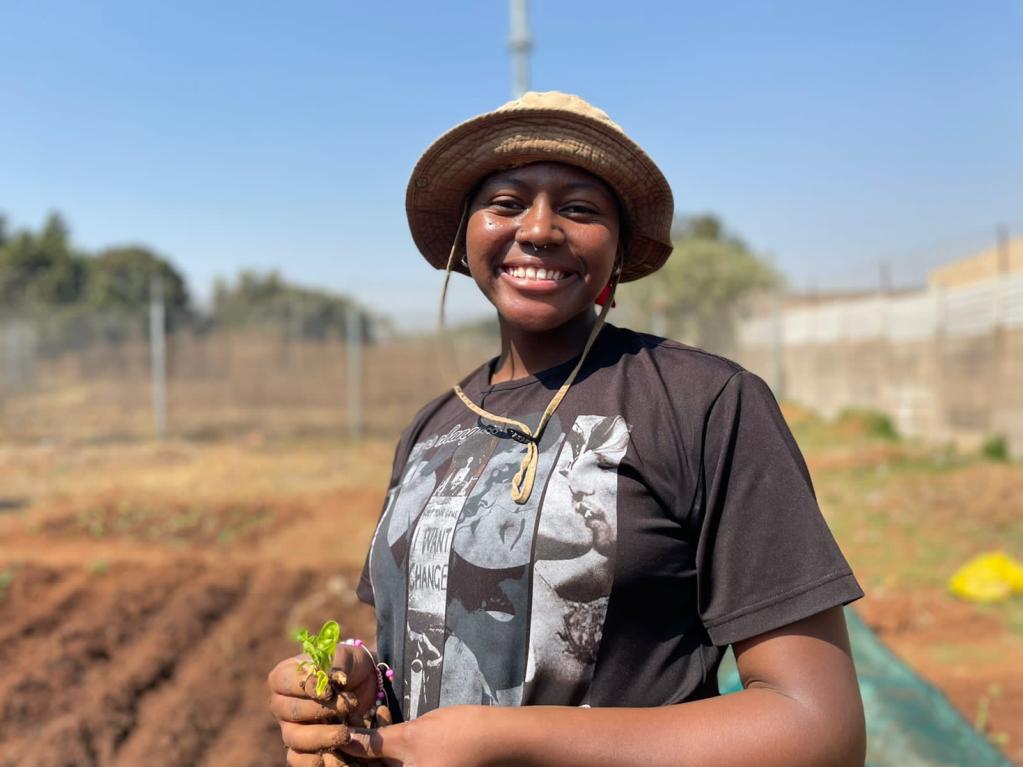
In order to foster community-wide innovation and sustainability, more young women should take the lead in community sustainability initiatives. Greater participation of young women in sustainability projects like Agrigreat Soiltech can improve the quality and longevity of solutions to environmental problems, while simultaneously advancing gender parity, empowering women economically, and helping communities overcome poverty. Meet 23-year-old, Buyiswa Twala, founder of Agrigreat Soiltech and Envirocare, a multiple award-winning lab that uses biowaste gathered from townships with minimal service delivery. The lab’s composts and fertilizers standout due to their organic composition and their proven ability to combat soil erosion and desertification. Ultimately, Buyiswa wants this to benefit people all throughout the globe, not only in Africa, by ensuring people have access to nutritious food. “I started out when I was 19 years old. With a few friends, we worked together to build a garden in Tembisa township, an informal settlement in Johannesburg. Although I dropped out of university owing to financial constraints, which prevented me from pursuing my scientific degree further, I overcame these obstacles by conducting my own research, developing my own formulas, and eventually running my own lab. I also had to overcome the difficulty of attracting clients and convincing them to switch from traditional, high-impact products to ones with a smaller environmental footprint. This experience taught me that the agricultural industry is woefully unprepared for the importance of sustainability, and this strengthened my resolve to do more to raise awareness about smart and sustainable agriculture," said Buyiswa.Like many others, Agrigreat Soiltech sees the increasing demand for food as a natural consequence of a growing human population. As a result, the lab needs agricultural practices that won't deplete resources and will be able to feed people in the future. The mission of Agrigreat Soiltech is to find ways to meet the demands of a growing population in a sustainable way. An essential part of industrial farming is preparing the soil. What distinguishes the lab from its competitors is its commitment to finding organic nitrogen sources for fertilizers that do not react too strongly with other natural elements. In the middle of Johannesburg's Alexandra township, Agrigreat Soiltech has established its first waste conversion station, which processes 5 tonnes of waste every month from surrounding townships. After all of South Africa's 500+ townships have their trash converted, she intends to establish a larger facility in 2025.
In addition to her work as a community organizer, Buyiswa is the brains behind the Agrigreat Stem Club in townships. The club's mission is to introduce local youth to science, technology, engineering, and mathematics (STEM) fields and the innovative technologies that are shaping them through activities like science fairs and career fairs, which she hosts in partnership with local banks, engineering firms, and other businesses. An important goal of the United Nations Framework Convention on Climate Change's Gender Action Plan is to increase the representation of women in climate-related decision-making and action by promoting their full, equitable, and meaningful involvement in these processes. More than just a question of social justice, the growing number of environmental catastrophes makes women's participation in conservation efforts a strategic need.Ms. Twala is only one of many young, forward-thinking women who can better South Africa's agriculture industry and boost economic growth.
In addition to her work as a community organizer, Buyiswa is the brains behind the Agrigreat Stem Club in townships. The club's mission is to introduce local youth to science, technology, engineering, and mathematics (STEM) fields and the innovative technologies that are shaping them through activities like science fairs and career fairs, which she hosts in partnership with local banks, engineering firms, and other businesses. An important goal of the United Nations Framework Convention on Climate Change's Gender Action Plan is to increase the representation of women in climate-related decision-making and action by promoting their full, equitable, and meaningful involvement in these processes. More than just a question of social justice, the growing number of environmental catastrophes makes women's participation in conservation efforts a strategic need.Ms. Twala is only one of many young, forward-thinking women who can better South Africa's agriculture industry and boost economic growth.
1 of 5
Story
04 February 2025
How mentorship shapes tomorrow’s leaders: My Journey to #AfYWL
By Lisa Rumbidzai SimangoThroughout my life, I have come to appreciate the value of building a supportive network and finding mentors committed to my personal and professional growth. My undergraduate supervisor was instrumental in this journey, connecting me with opportunities, such as the Tag a Life International (TALI) Programme in Zimbabwe. I participated in TALI while pursuing my Master of Science in International Relations, drawn to its mission of advocating for the rights of girls and young women and creating safer spaces for them—values that resonate deeply with my passions.Through the TALI programme, I was assigned a mentor whose work focused on economic justice for young women. Her passion for gender equality and socio-economic development sparked my own commitment to youth empowerment and gender justice. As I became more involved in the programs her organization was implementing, I was exposed to innovative solutions at the intersection of gender and socio-economic development. This mentorship not only deepened my understanding of the barriers women face in accessing economic opportunities, but also inspired me to explore potential solutions. These experiences strengthened my resolve to create sustainable, inclusive socio-economic solutions for Africa. In 2021, my undergraduate supervisor, once again introduced me to another programme - the African Union (AU)-United Nations Development Programme (UNDP) African Young Women Leadership Fellowship (AfYWL). Reading through the aspects of the programme and testimonies from the alumni of the programme, it felt like natural next step, perfectly aligned with my aspirations to enhance my skills in advocacy, gender justice, and project management. I submitted my application in September 2021, but despite my best efforts, at the end of the year, I received an email we all dread – we regret to inform you that…I was devastated, I questioned my abilities, my dreams and my worth, but I refused to let this setback define me. Instead, I continued engaging with civil society organizations in Zimbabwe, attending workshops on young people’s socio-economic justice and development. In August 2023, strongly encouraged by my undergraduate supervisor, I decided to reapply for the AfYWL Fellowship. This time, I approached the process with renewed confidence, a stronger support network, and a broader perspective. Drawing from my past experiences, I was determined to perform better than my first attempt and to make the most of the opportunity ahead.In November 2023, I received the exciting news that I had advanced to the final interview stage of the AfYWL Fellowship Programme. Though nervous, I found strength in the unwavering support of my family. The anticipation was overwhelming, but in mid-December, I received the best Christmas gift of all: I had been selected for the third cohort of the Fellowship! Early in 2024, I confirmed my participation and eagerly awaited deployment. On March 11, 2024, I was informed that I would be deployed to South Africa. A swirl of emotions—excitement and apprehension—filled me, but I embraced this new chapter with purpose and determination.Reflecting on my journey, I recognize how setbacks, such as my initial rejection, became valuable steppingstones to personal growth. After that first disappointment, I invested time in self-development, seeking guidance and mentorship to help shape my career path.The mentors I’ve had the privilege to learn from have been instrumental in shaping my journey. Their wisdom, encouragement, and willingness to invest time in my development have not only influenced my professional trajectory, but also strengthened my confidence and sense of direction. This journey has also taught me the art of identifying mentors. It begins with understanding your aspirations and seeking out individuals whose experiences and values align with your goals. Mentors can take many forms—leaders, peers, or even those with fresh perspectives. The key lies in approaching these relationships with openness, respect, and a genuine desire to grow.Equally important is how you use their guidance. Asking thoughtful questions, tailoring their advice to your unique circumstances, and holding yourself accountable to the progress you make are critical steps. Mentorship is not about mimicry; it’s about becoming the best version of yourself by leveraging the wisdom they share.Now, as I continue this next chapter as a fellow attached to the UNDP South Africa country office, as the youth empowerment coordinator, I am excited to continue growing as a young African woman leader, championing gender equality, socio-economic development, and the empowerment of future generations.Having benefited immensely from mentorship, I am committed to giving back. I am eager to empower others, sharing the lessons I’ve learned and helping them navigate their own paths. Mentorship is a powerful cycle of growth and generosity, and I am proud to contribute to its continuity.First published by UNDP South Africa: How mentorship shapes tomorrow’s leaders: My Journey to #AfYWL | United Nations Development Programme
1 of 5
Press Release
22 June 2023
Uniting Against Hate: UN South Africa and partners join forces to combat Hate Speech
JOHANNESBURG, 22 June, 2023 – The United Nations in South Africa in partnership with the Apartheid Museum, the Desmond Tutu Foundation and the Johannesburg Holocaust and Genocide Centre, Media Monitoring Africa (MMA) hosted a panel discussion and a training workshop on hate speech and mis/disinformation to commemorate the International Day for Countering Hate Speech. The overall goal of the event was to bring awareness to and discuss hate speech and mis/disinformation as well as to equip participants with knowledge and practical skills on how to address these ills online.
In his speech, Mr. Nelson Muffuh, the United Nations Resident Coordinator in South Africa, emphasized the UN's commitment to “upholding the principles of human rights, non-discrimination and the right of every individual to be treated with respect and dignity regardless of their nationality, race, religion, gender, ethnicity or sexual orientation. These are precisely the principles and rights that hate speech seeks to suppress.”
Mr. Muffuh also stressed that countering hate speech is a moral obligation that falls on all of us, whether we are government authorities, civil society organizations, the private sector, the media, youth, traditional and customary leaders, or simply individuals. He added that hate speech has a devastating impact on social cohesion, human relations, and safety, and that we must do everything in our power to combat it.
Speaking on a panel, Abigail Noko, Regional Representative for Southern Africa, Office of the United Nations High Commissioner for Human Rights (OHCHR) called for collective efforts towards building positive jurisprudence, saying that states have a mandate to safeguard human rights and must be liable to address incitement of racial discrimination and tackle hate speech.
Janet Jobson, Chief Executive Officer, Desmond and Leah Tutu Foundation, in her message of support called for vigilance around misinformation and disinformation, as hate speech is becoming more prevalent in our society. “We must ensure that we do not fall into the logic of hatred and must not let hatred stand unchallenged. Our humanity is fundamentally bound up with each other and, we must counter hate speech whenever and wherever we encounter it,” said Ms. Jobson.
William Bird, Director of Media Monitoring Africa, also weighed in on the subject and the event saying, “Hate speech doesn’t just cause harm, it incites violence and undermines democracy. We commemorate the International Day for Countering Hate Speech recognizing our recent past, aware that some still seek to use hate speech to silence, bully, denigrate and rob people of their dignity. We all have a responsibility to combat and call out hate speech, but just what is it and how can we do so? Join us as we hear from experts and launch our course to empower the public to act against hate speech online.”
The panellist included Tali Nates, Director, Johannesburg Holocaust and Genocide Centre, Ben Winks, Independent Advocate and Thandi Smith, Head of Programmes, Media Monitoring Africa and focused on “Understanding hate speech from a legal standpoint, its impact on victims and their human rights and, strategies being employed to combat the scourge.”
The participants also had a chance for some insight and messages from Alice Nderitu, UN Special Adviser on the Prevention of Genocide, Janet Jobson, CEO of the Desmond and Leah Tutu Foundation and Honourable Ourveena Geereesha Topsy-Soono, African Commission on Human and People’s Rights Special Rapporteur on Freedom of Expression and Access to Information in Africa.
MMA also launched a programme on hate speech training. Dubbed Hate Speech Spotters Programme (HSSP). The goal is to bring awareness to hate speech, its impact on victims/target groups online, as well as how and why spreading such content is harmful and hurtful. The HSSP is designed for both those who have disseminated or are purveyors of online harms.
For media enquiries please contact: Eunice Namugwe, UN Information Centre – Pretoria, Email: namugwe@un.org, Tel : +27 71 6828310
PHOTOS of event here: https://www.flickr.com/photos/uninsouthafrica/albums/72177720309219465
1 of 5
Story
18 September 2023
The vital role of Indigenous Languages in shaping informed and engaged communities through the Media
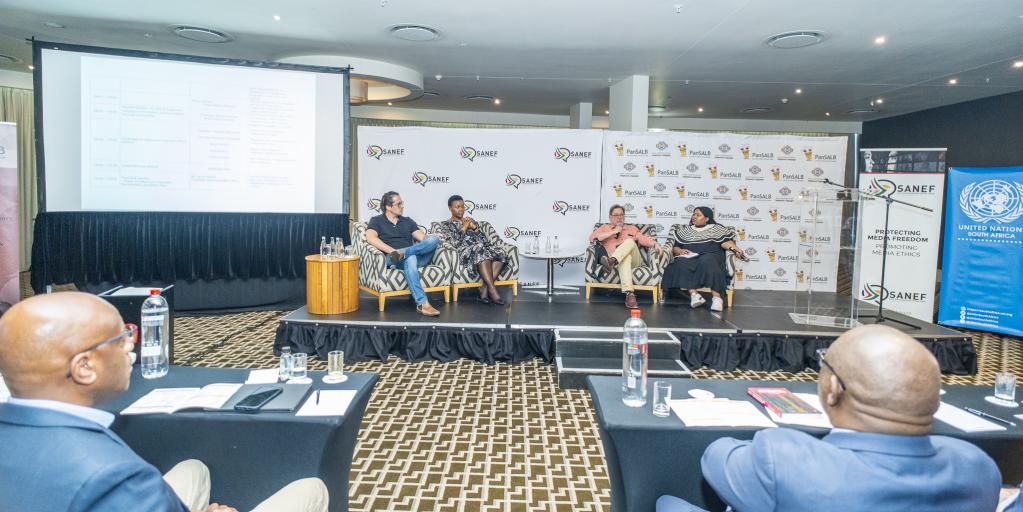
The United Nations in South Africa South, in collaboration with the South African National Editors’ Forum (SANEF) and the Pan South African Language Board (PanSALB), recently hosted the inaugural Indigenous Languages and the Media seminar in Johannesburg, South Africa.
The diversity of languages spoken in South Africa is greatly influenced by indigenous languages. It is crucial for their preservation that the media use and promote them. Sadly, there has been a loss in the understanding and usage of indigenous languages, particularly among young people, and less usage of indigenous languages by the media. The seminar sought to discuss and resolve these problems by bringing together key players, such as PanSALB and well-known indigenous language practitioners and media personalities, in order to have open discussions and to start dialogues that could result in practical solutions after the seminar.
In his remarks, Mr. Tafirenyika highlighted the UN’s role and efforts through the UN Educational, Scientific and Cultural Organization (UNESCO) in saving indigenous languages around the world as well as the lessons learned thus far.
“The UN is therefore appealing to all South Africans, including the government, the business sector, the civil society and individuals to do everything in their power to protect and promote linguistic diversity. Such an approach will strengthen, not weaken, our collective cultural heritage. And I can’t but fail to notice that this conference is taking place in September, which is South Africa’s heritage month,” he said.
He told participants that one of the most effective ways to preserve indigenous languages was to develop effective mechanisms for advocacy and awareness campaigns. “This is where the role of our partners in the media becomes crucial. Let me take this opportunity to commend the SABC, the national public broadcaster, for running radio stations with programmes that are broadcast in all the 11 official languages of South Africa.”
The UNIC director urged the media to promote and protect linguistic diversity and form partnerships to preserve cultural diversity and respect traditional ways of life. Governments should enact laws to conserve indigenous languages, such as mobilizing funding, defending linguistic rights, and incorporating these languages into educational systems. He further emphasized that “education is the main instrument in our toolbox of language preservation”.
The necessity of information, which is key to participation in a democracy was highlighted by Professor Abiodun Salawu, a professor of Journalism, Communication, and Media Studies at the North West University, and Director of the research entity, Indigenous Language Media in Africa (ILMA). The media has a role to inform the masses in a language they will understand, he said.
Prof. Salawu told his audience that the development of alternative media and the use of regional languages and creoles have been key factors in the evolution of participation issues, which are essential to democracy. He urged the media to take all the indigenous languages to platforms that the youth can relate with such as social media and reminded attendees that “indigenous language media still remain a potent vehicle for mobilizing people for positive (developmental) goals which include democracy.”
In his address, Lance Schultz, the PanSALB Chief Executive Officer called for the end to “social linguistic tribalism which is essentially a lack of respect for our indigenous languages. We must be intentional with how we communicate for an informed and engaged citizenry,” he added.
“The global decline of print media has negatively affected the development of indigenous languages. Therefore, the need to forge collaborative efforts between the media, parents, teachers and various other stakeholders to promote indigenous languages is now more pertinent than ever.”
The Treasurer-General of SANEF, Tshamano Makhadi, reaffirmed his organization’s commitment to serve the needs of community media and open opportunities for the development of indigenous languages in this sector and beyond. “This proactive stance not only strengthens the vital role of community media but also fosters inclusivity and cultural diversity, creating a richer tapestry of voices in our ever-evolving media landscape, he said, adding: “Through its steadfast efforts, SANEF paves the way for a more inclusive and vibrant media ecosystem, where indigenous languages can flourish, and communities can thrive.”
The recognition of the media's pivotal role in reaching diverse audiences underscores the importance of broadcasting in indigenous languages. As the current media landscape predominantly operates in English, there is an urgent imperative to document, educate, and fortify the usage of indigenous languages.
Embracing technology and fostering innovation becomes paramount in this endeavor, encompassing initiatives like translating books and dictionaries into indigenous languages and developing accessible mobile apps and online platforms. Moreover, the formulation of laws and policies, aligned with UN frameworks such as the UN Declaration on the Rights of Indigenous Peoples, becomes imperative to ensure the preservation and prosperity of indigenous languages for the betterment of all humanity. This multifaceted approach not only enriches people’s cultural fabric but also champions inclusivity and linguistic diversity in the global media landscape.
1 of 5
Story
23 November 2025
It’s time for leadership and vision, Guterres tells G20 in South Africa
“Now is the time for leadership and vision,” the UN Secretary-General António Guterres told journalists in Johannesburg on Friday, a day ahead of the official opening.The G20 bloc is made up of the world’s largest economies, although the United States has announced it will not officially participate.This year’s summit highlights the need for climate adaption and sustainable financing, under the theme “Solidarity, Equality and Sustainability.”The UN chief is attending the summit to push for economic and climate action, as well as an end to spiralling conflicts around the world.‘Woefully under-represented'Developing countries, in particular in Africa, are suffering from a shrinking fiscal space, crushing debt burdens and a global financial architecture that is failing them, Mr. Guterres said.He lamented that after decades of colonial rule, the continent remains “woefully under-represented” in global institutions.“The G20 can help repair this historic injustice and drive reforms that give developing countries – and Africa in particular – a real voice in shaping global policies, and make global economic governance more inclusive, representative, equitable and effective in the years ahead,” he said.Economic actionMr. Guterres called on the G20 to live up to commitments made in June at the Financing for Development Conference in Sevilla, where countries promised to unlock more finance to drive sustainable growth.That would entail tripling the lending power of multilateral development banks, reducing borrowing costs and enabling developing countries to mobilise domestic resources.Climate actionCountries have failed to keep temperatures to the 1.5 degrees Celcius temperature rise limit, Mr. Guterres cautioned.“Avoiding more climate chaos means bridging the adaptation gap – urgently” and that requires a scale up of financing, namely, the doubling of adaptation financing to at least $40 billion this year.He added that while 90 per cent of new power capacity is coming from renewables, while global investment in clean energy reached $2 trillion last year, only a negligeable proportion went to Africa.“Africa should be at the heart of this clean energy revolution,” he pressed.Action for peaceListing some of the most devastating conflicts around the world including in Sudan, the Democratic Republic of Congo, Ukraine and Gaza, Mr. Guterres called for G20 members to use their influence to end the fighting.“Everywhere – from Haiti to Yemen to Myanmar and beyond – we must choose peace anchored in international law,” he concluded.Published by: UN News
1 of 5

Story
18 November 2025
Advancing Social Development and Justice: Reflections on the Second G20 Social Summit
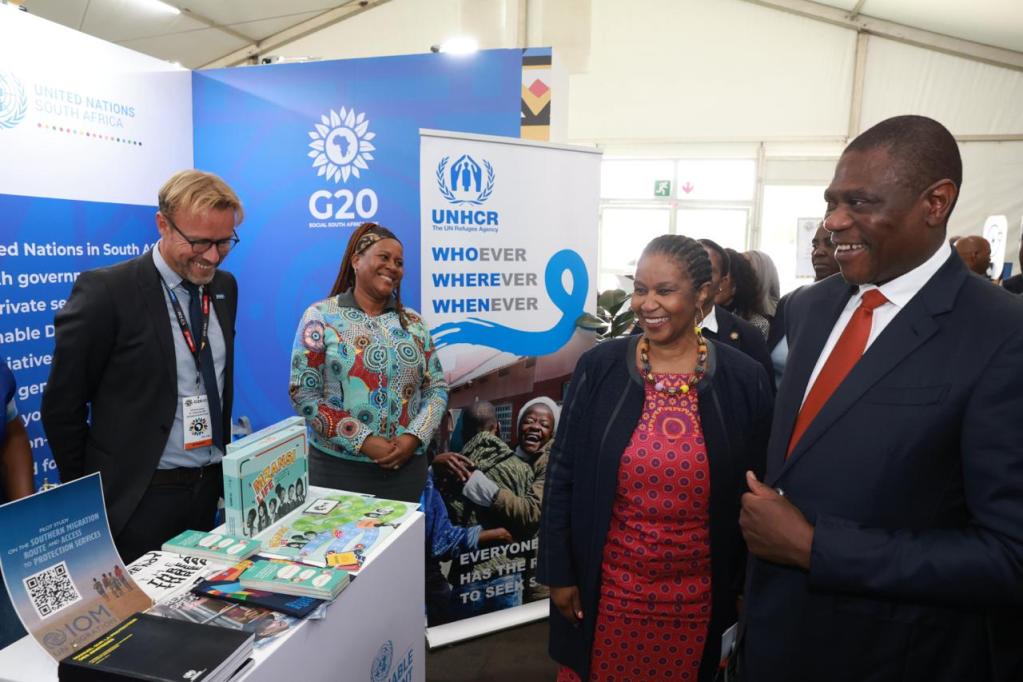
The ongoing Second G20 Social Summit in South Africa marks a pivotal moment for global governance and inclusive development. As stakeholders from civil society, community organisations, faith and traditional leaders, labour unions, entrepreneurs, and indigenous groups gather ahead of the G20 Leaders’ Meeting, the message is clear: social development and justice must stand at the heart of international cooperation.For South Africa, this conversation is deeply relevant. Our Country Analysis and the new United Nations Sustainable Development Cooperation Framework (2026–2030) underscore the urgency of tackling structural poverty, inequality, and governance deficits while building resilience against climate and economic shocks. These priorities are not abstract—they reflect the lived realities of millions and the aspirations of a nation committed to transformation.Social development and justice are foundational to the Sustainable Development Goals (SDGs). Without addressing inequality, hunger, and exclusion, progress on other goals—whether economic growth, education, or climate action—will remain elusive. South Africa’s context illustrates this interdependence: despite being an upper middle-income country, persistent disparities in access to jobs, education, and social protection continue to undermine social cohesion and stability. The Cooperation Framework responds to these challenges through the following underlying and integrated priorities:• Supporting Economic Growth and Social Inclusion• Tackling Structural Poverty and Inequality• Promoting Good Governance, Accountability, and Rights• Building Resilience through Sustainability and Risk Preparedness The G20 Social Summit amplifies these imperatives on a global stage. Under South Africa’s G20 Presidency and its theme of Solidarity, Equality, and Sustainability, the Summit seeks to elevate social justice and inclusion to the same level of urgency as macroeconomic and trade issues. This is not only about representation—it is about transforming governance to reflect the voices and needs of those historically marginalised. The United Nations in South Africa is proud to accompany and support this effort. Through our exhibition space at the Summit, we showcase the work of UN agencies driving progress on food security, gender equality, climate resilience, and social protection. These interventions align with the six SDGs transitions from the 2023 SDG Summit and included in our Cooperation Framework —food systems, energy access, digital connectivity, education, jobs and social protection, and climate action—each offering catalytic impact across the SDGs. As global leaders prepare to meet, the call from South Africa resonates worldwide: people—not profit, not politics—must be at the centre of development. Advancing social development and justice is not optional; it is essential for achieving the 2030 Agenda and ensuring that no one is left behind.
1 of 5
Story
17 November 2025
Partnerships for Progress: SABII Launch Signals a New Chapter for South Africa’s Businesses
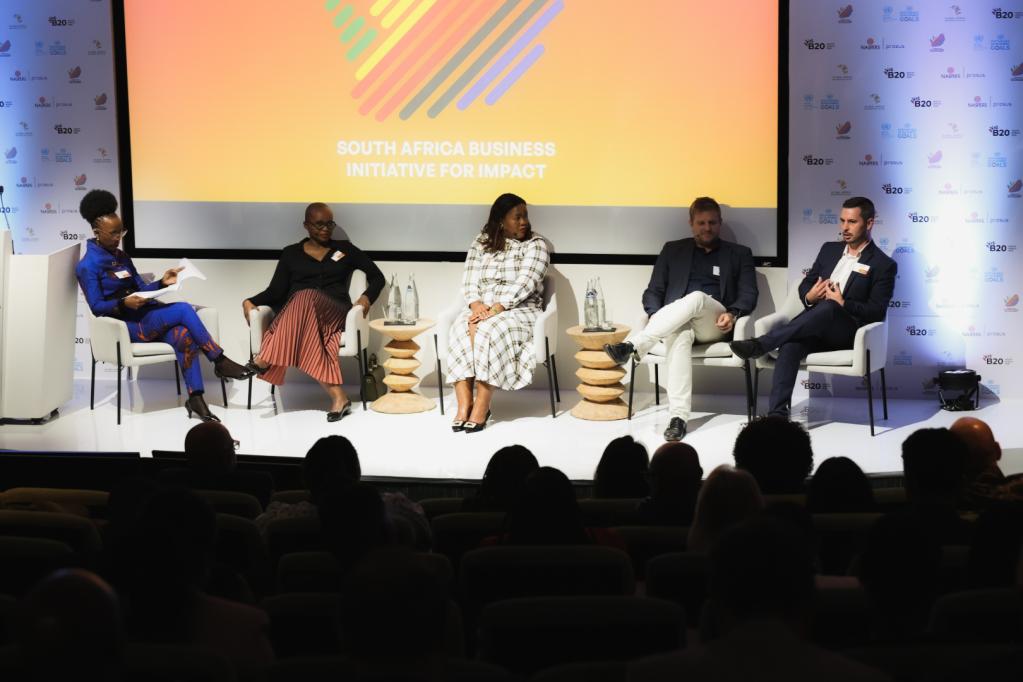
Johannesburg, 17 November 2025 – On any given morning in South Africa, a young entrepreneur opens her small logistics start-up not knowing whether the power will stay on long enough to meet a delivery deadline. A farm worker in Limpopo wonders if unpredictable rainfall will again wipe out the harvest that feeds his family. A recent graduate in Mamelodi scrolls through job boards, navigating a labour market that feels distant, exclusive, and unforgiving.Their realities, mirroring the struggles and hopes of millions, set the backdrop for the launch of the South Africa Business Initiative for Impact (SABII), a new bridge between business, government, and the United Nations.SABII was launched as a B20 side event during South Africa’s G20 Presidency, marking a landmark collaboration between the UN in South Africa, Naspers South Africa, the UN Global Compact South Africa Network, and B20 South Africa.As the national anchor for the Global Africa Business Initiative (GABI), SABII brought the momentum of the “Unstoppable Africa” movement to South Africa, uniting the UN and business leaders to drive tangible progress in four key areas: Energy Transition for Economic Security, Digitization for Inclusive Growth, Human Capital Development for Shared Prosperity, and Food Systems Transformation for Resilient Livelihoods. More than just a launch, SABII served as a call to action, an invitation to rethink partnerships, rebuild trust, and envision a future where development was powered not only by policy, but by people. Opening the event, Ms Phuthi Mahanyele-Dabengwa, CEO of Naspers, framed SABII’s mission around the lived experiences of ordinary South Africans. She emphasized that success must extend beyond companies to benefit communities, and that young people should encounter opportunities not obstacles in the digital and economic landscape. Drawing on the spirit of the “Unstoppable Africa” movement, she positioned SABII as a platform amplifying historically marginalized African voices in global growth conversations.UN in South Africa Resident Coordinator, Nelson Muffuh, urged translating ambition into measurable action as South Africa assumed its G20 presidency. His message was reinforced by UN Deputy Secretary-General Amina Mohammed, speaking via video, who stressed that partnerships must deliver results. She highlighted the critical role of finance in fostering inclusive growth, noting that a prosperous Africa strengthens global prosperity. “Let us make SABII a living example of what collective leadership can achieve. Let us ensure this platform delivers results that matter not just for South Africa, but for the continent. And let us keep SABII connected to global frameworks like GABI and the G20 priorities, so that our national efforts amplify Africa’s voice on the world stage.” - UN in South Africa Resident Coordinator, Nelson Muffuh B20 Sherpa Mr Cas Coovadia offered a sober, pragmatic perspective on the global economic landscape. With geopolitical instability and a fragmented global order, he argued, collaboration is no longer optional. Businesses must track commitments, ensure implementation follows recommendations, and align priorities across borders making partnership both an economic necessity and a pathway to inclusive, sustainable growth, he said. The UN Assistant Secretary-General and the UNDP Assistant Administrator and Director, Regional Bureau for Africa, Ahunna Eziakonwa, declared, “This moment matters,” challenging the outdated narrative of Africa as a passive aid recipient. Highlighting African innovation from the Takealot Data Hub to the Timbuktu Innovation Initiative she emphasized that Africa’s creativity and competence are now benchmarks shaping global markets.Sanda Ojiambo, Assistant Secretary-General and Executive Director, United Nations Global Compact, amplified Africa’s business narrative by stressing the power of narrative and collaboration. African business must be amplified, not merely appended. SABII, she noted, is more than a platform it is a vehicle to reshape how Africa’s business story is told to the world.The SABII launch convened a powerhouse of thought leaders, innovators, and changemakers to discuss Africa’s most pressing development frontiers, from digital transformation and green energy to human capital and climate-smart agriculture, sparking bold conversations on how the continent can harness its potential for inclusive, sustainable growth.Digitization: Sustaining Livelihoods in an increasingly digital world The first panel focused on how digital access is transforming everyday life and the economy. Speakers from Takealot, McKinsey Africa, and the Ministry of Small Business Development highlighted a crucial point: technology is becoming one of the most powerful tools for reducing inequality. Digital platforms are already helping small businesses reach new markets and giving young people new income opportunities. The panel also stressed that this future must be accessible to everyone. That means affordable data, reliable connectivity, and digital skills that match the jobs of tomorrow. They also warned against over-regulation of platform work. Instead, South Africa needs smart, balanced policies that protect workers while still allowing innovation to grow.Energy Transition: Green Mobility The second panel turned to the realities of South Africa’s energy transition. With experts from renewable energy companies, mobility platforms, and green technology, the conversation made one thing clear: the shift to clean energy is not just environmental, it is economic.Electric vehicles, renewable power, and green mobility can reshape entire industries, create new jobs, and make South Africa more competitive globally. But to make that shift possible, the country needs the right incentives, easier access to finance, and support for black-owned energy businesses trying to enter this fast-growing sector. Panelists also stressed that the transition must be fair. South Africans who depend on traditional transport and energy systems must not be left behind.Human Capital Development: Investing in Skills DevelopmentAnother important discussion centres on youth development, skills, and the future of work. Leaders from government, academia, and youth development organisations agreed that South Africa’s greatest competitive advantage is its young population.But this advantage only becomes real when young people have skills that match a rapidly changing Labour market. Speakers called for modernized training systems, stronger digital skills programmes, and more support for young women, who face even greater barriers. They also emphasized the need for fair and evidence-based systems that ensure young people benefit from new opportunities.Food Systems Transformation and Climate-Smart AgricultureThe conversation on food systems and climate-smart agriculture reminded everyone that food security is directly linked to climate security. As South Africa faces more frequent droughts, floods, and climate shocks, farmers need more support.Experts called for investments in climate-resistant crops, better farming technologies, and supply chains that can withstand extreme weather. This shift is not only about protecting food; it is about protecting livelihoods across rural and urban communities.Across all the panels, a clear message emerged: South Africa’s progress depends on partnership, intentional inclusion, and bold reimagining. Government, business, civil society, and the UN must work together to unlock opportunities across the digital, green, and agricultural economies, ensuring that youth, women, and marginalized communities are not just participants, but beneficiaries. Innovation must extend beyond technology to a new mindset, one willing to redesign old systems, embrace new models, and position Africa not as an observer, but as an active leader in global development conversations.The SABII programme demonstrated that South Africa possesses the ideas, expertise, and leadership to drive meaningful change, but what is now required is coordinated, measurable action that puts people at the center of progress. From digital transformation and green mobility to climate-smart agriculture, the path forward is clear: transformation must be partnership-driven, inclusive, and grounded in shared responsibility. Closing the event, Dr. Leila Fourie, CEO of the Johannesburg Stock Exchange, reminded attendees that thriving societies create thriving markets, a message that captured the spirit of the day. More than a launch, SABII represents a platform for collective action, a new chapter in South Africa’s social and economic renewal, and a renewed commitment to elevating Africa’s voice, strengthening public-private cooperation, and ensuring inclusive development lies at the heart of national progress.
1 of 5
Story
17 November 2025
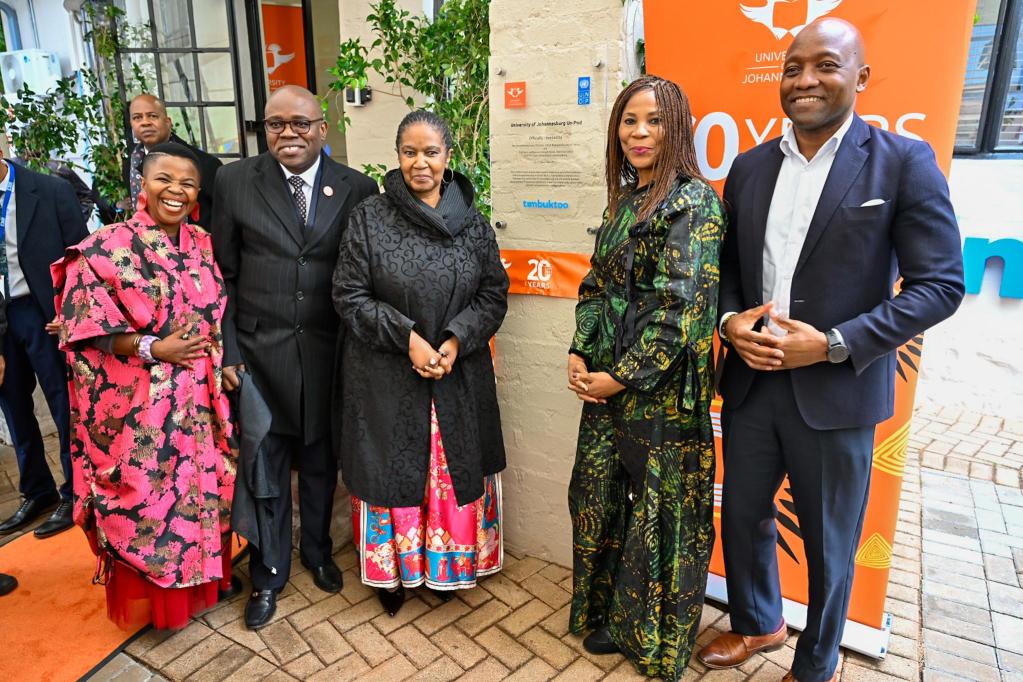
UNDP and UJ Unveil South Africa’s First UniPod, Accelerating Innovation and Entrepreneurship
South Africa today marked a significant milestone in strengthening youth innovation and digital transformation, as the United Nations Development Programme (UNDP) in South Africa, through its timbuktoo initiative, partnered with the University of Johannesburg (UJ) to launch the country’s first University Innovation Pod (UniPod).The UniPod forms part of UNDP’s continental network of university-based innovation facilities designed to equip student innovators with cutting-edge tools and market pathways. Joining 14 other universities across Africa, the UJ UniPod becomes the 15th in this growing ecosystem — featuring advanced AI and robotics labs, 3D printing, prototyping facilities, business incubation spaces, mentorship, investor-readiness programmes, and intellectual property support. The platform further connects South African innovators to UNDP’s network of more than 25 African hubs, strengthening cross-border collaboration and scaling opportunities.Speaking at the launch, UNDP Regional Director for Africa, Ahunna Eziakonwa, underscored the transformative ambition behind UniPods and the urgent need to redesign pathways for youth-led innovation.“Our universities are the prime locations for these Unipods, because they are idea hubs. We should not neglect this. Our systems are not expanding fast enough, some of the jobs we used to study for at universities simply no longer exist and this has left us with a quiet but dangerous crisis. Unipods aim to address this by creating the space for innovators and entrepreneurs to build and innovate; while ultimately working to expose these creators to funding and other ecosystems that will make these dreams a reality. We’ve seen some exciting solutions here today, and we will provide, as the Unipod, the ecosystem to help these students go commercial when the time comes.”UJ Vice-Chancellor and Principal, Professor Letlhokwa Mpedi, emphasised how the UniPod aligns with both the university’s long-term strategy and broader development priorities:“This exciting initiative aligns with UJ’s Strategic Plan 2035, which promotes entrepreneurship, access to technology, and leadership in the Fourth Industrial Revolution (4IR) as well as supporting Sustainable Development Goal (SDG) 8 on Decent Work and Economic Growth and SDG 9 on Industry, Innovation and Infrastructure.”He added that the UniPod represents a bold investment in South Africa’s future:“I have no doubt that the UniPod will inspire excitement about the future and generate a positive impact on our community, our country, and the wider continent. For young Africans, this marks the beginning of a future where great ideas are not only heard but built! With this facility, we are planting deep roots for innovation so that we can grow towards a future of limitless possibilities!”Among the first cohort is Nobuhle Mbuyisa, a BCom Honours student from Ulundi, KwaZulu-Natal, who is developing Bigfive Quickfix, a blockchain-enabled mobile platform connecting informal mechanics to formal markets. She believes the UniPod will accelerate her innovation journey:“The UJ Unipod provides an ecosystem that combines expert mentorship, research capabilities and industry connections. This environment will help strengthen the app. By making use of Unipod resources, this will accelerate development, improve the quality of our solution and make greater impact by improving the service we aim to deliver.”The UniPod is powered by timbuktoo, UNDP’s bold pan-African innovation initiative reshaping how Africa nurtures startups and transforms development challenges into scalable economic opportunities. Its model connects university-based pods with sector-specific hubs across the continent — from fintech and agritech to the creative economy — creating a coordinated innovation value chain.Watch highlights of the UniPod launch here:
https://www.youtube.com/watch?v=I6M9kF4zEe0
https://www.youtube.com/watch?v=I6M9kF4zEe0
1 of 5
Story
12 November 2025
South Africa Celebrates Its Culinary Heritage with the Launch of “Roots & Recipes: Indigenous Foods for a Sustainable Future”
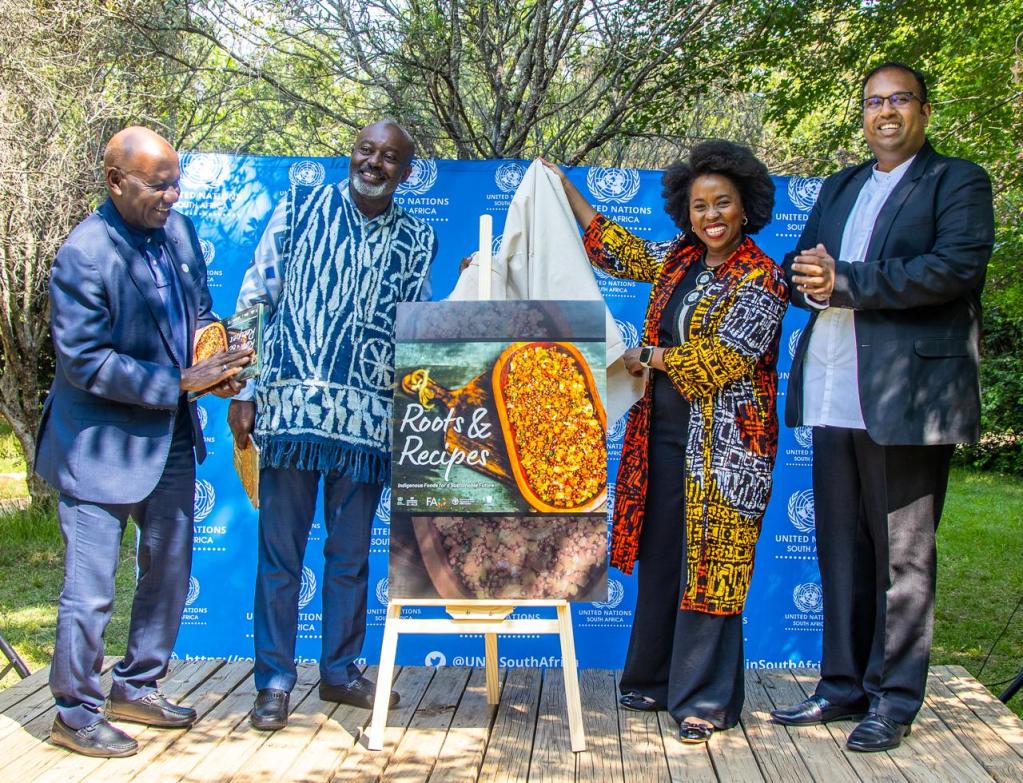
The United Nations, the South African Chefs Association (SACA), and the Gauteng Department of Agriculture and Rural Development recently launched Roots & Recipes: Indigenous Foods for a Sustainable Future — a book that celebrates South Africa’s indigenous cuisine while promoting food security, health, and climate resilience.The launch took place at the Nirox Sculpture Park in the Cradle of Humankind, bringing together chefs, farmers, policymakers, and community leaders to honour the country’s diverse food heritage and explore its role in sustainable development.Caption: Panel discussion at the book launchPhoto: © UN South AfricaSpeaking at the launch, Vuyiswa Ramokgopa, the Gauteng Member of the Executive Committee, described the cookbook as “a partnership between government, chefs, farmers, scholars, and communities. It embodies the best of what we can achieve when we work together: a fusion of science and tradition, innovation and heritage.”She reflected on the deeper meaning behind the project, noting that “to reclaim our indigenous foods is to reclaim our independence. To cultivate what is ours, in our soil, in our kitchens, in our schools, is to plant the seeds of resilience.”Ms. Ramokgopa emphasized the book’s alignment with the UN Sustainable Development Goals, particularly Zero Hunger and Climate Action, adding: “We are saying that African food is not primitive—it is prophetic. It holds the wisdom that can feed the future.”Nelson Muffuh, the UN Resident Coordinator in South Africa, highlighted the initiative as part of a broader UN effort to transform food systems and promote sustainable consumption and production.“Roots and Recipes is a celebration of heritage and a practical guide for sustainable livelihoods,” said Mr. Muffuh. “The answers to hunger, malnutrition, economic empowerment, and even climate stress are often right under our feet in indigenous crops like sorghum, millet, Bambara groundnut, and wild greens.”He underscored three key reasons these foods matter: “First, climate resilience — these crops are tough. They thrive in heat and drought when others fail. Second, nutrition — they are rich in fibre and micronutrients. Third, livelihoods — when we create demand for these foods, smallholders, especially women, win.”The speakers called on South Africans, particularly youth, to embrace and innovate with indigenous foods. Ramokgopa urged young people to see the cookbook not just as a collection of recipes, but as a call to action: “Let this book inspire you not only to cook, but to innovate. To start food businesses, to experiment with recipes, to use social media to tell the stories of our land.”Muffuh echoed this sentiment, encouraging the public to “take this book home, try a recipe, share a meal, and make it trend. Let us turn heritage into a movement, one plate at a time.”Roots & Recipes: Indigenous Foods for a Sustainable Future showcases traditional South African dishes from across the provinces, blending culinary storytelling with sustainability science. Developed in partnership with the SACA, the project connects culture, climate, and community, showing how food can drive both health and economic development.As Ms. Ramokgopa concluded, “This is not an ending. It is a beginning — of a movement to eat consciously, to farm sustainably, and to celebrate proudly. Let us teach our children that umngqusho, morogo, and amadumbe are not the foods of poverty, but the foods of power.”Media Contact:Mr Luthando Kolwapi, Partnerships & Communications Officer Luthando.Kolwapi@fao.orgCaption: Excited guests at the book launchPhoto: © UN South AfricaCaption: Panelists at the Roots & Recipe Cookbook launchPhoto: © UN South AfricaCaption: A vote of thanks to the guests from Luthando Kolwapi, Resource Mobilization, Partnerships & Communications Consultant at FAO Photo: © UN South Africa
1 of 5
Press Release
18 November 2025
South Africa Unveils Business Initiative for Impact as G20 Presidency Takes Centre Stage
The United Nations and business launched the South Africa Business Initiative for Impact (SABII), a platform committed to advancing sustainable development and inclusive economic growth in South Africa. As the first localised platform of the Global Africa Business Initiative (GABI), SABII exists to boost local entrepreneurship, connect South African businesses to African and global markets, and attract foreign investments, whilst promoting sustainable and inclusive job-creation and emissions-friendly growth.SABII is aligned to four national priorities - Energy Transition, Digitisation, Human Capital Development, and Food Systems Transformation - key imperatives to drive meaningful change on the African continent. Through coordinated action, SABII sets out to accelerate green mobility and renewable energy adoption, launch a digital livelihood initiative to promote digital skilling, bridge the skills-to-jobs gap for unemployed youth, and promote climate-smart agriculture to strengthen food security.Underlying SABII is the strategic insight: these challenges are too complex for the government, business, or the UN to solve alone. SABII is the permanent infrastructure that connects the three sectors – with clear roles, measurable outcomes, and shared accountability."No single institution - public or private - can drive systemic change alone. Energy transition requires joint investment. Digitisation requires shared infrastructure and innovation. Human capital requires collective responsibility. Food systems require coordinated action across value chains. SABII can only succeed therefore through strong, sustained partnerships," noted Nelson Muffuh, United Nations Resident Coordinator."If we stay committed, transparent, and united, this platform will outlast the summit, outlast the headlines, and become part of South Africa's long-term institutional strength. This is how we build an ecosystem where we partner with the whole of society to make a demonstrable difference," said Phuthi Mahanyele-Dabengwa, SA CEO and Executive Director of Naspers and Prosus. "As a founding partner of SABII in South Africa, Naspers is committed to driving impact through coordinated action".United Nations Assistant Secretary-General Ms. Sanda Ojiambo attended the launch and affirmed that the initiative will play a vital role in empowering local enterprises to scale sustainably and competitively across value chains.As an official B20 South Africa side event, the launch was attended by B20 Sherpa Cas Coovadia. The B20 Summit begins tomorrow. SABII's launch today positions South African business leadership at the centre of global business conversation, and as the national mechanism for converting B20 outcomes into bold, future-ready partnerships that unlock opportunity. About SABIIThe South Africa Business Initiative for Impact is South Africa's national anchor of the Global Africa Business Initiative. SABII brings together business, the United Nations, and government through four pillars: Energy Transition, Digitisation, Human Capital Development, and Food Systems Transformation. The partnership includes the UN Resident Coordinator's Office, the UN Global Compact, business champions including Naspers as founding partner, and the South African Government.About GABILaunched at the UN General Assembly in September 2022, the Global Africa Business Initiative has elevated Africa's standing in the global economy through three successful New York convenings. Under "Unstoppable Africa," GABI connects African and global business leaders, governments, and investors on solutions aligned with the 2030 Agenda for Sustainable Development and Africa Agenda 2063.About the United Nations in South AfricaThe United Nations in South Africa works with national partners to advance the full spectrum of the Sustainable Development Goals. Through policy support, joint programmes, and partnerships with government, civil society and the private sector, the UN helps drive inclusive development, human rights, climate resilience, and social and economic transformation that leaves no one behind.About Naspers:Established in 1915, Naspers has transformed itself to become a global consumer internet company and one of the largest technology investors in the world. Through Prosus, the group operates and invests globally in markets with long-term growth potential, building leading consumer internet companies that empower people and enrich communities. Prosus has its primary listing on Euronext Amsterdam, and a secondary listing on the Johannesburg Stock Exchange and Naspers is the majority owner of Prosus. In South Africa, Naspers is one of the foremost investors in the technology sector and is committed to building its internet and ecommerce companies. These include Takealot, Mr D Food, Autotrader, Property24 and PayU, in addition to Media24, South Africa’s leading print and digital media business.Naspers has a primary listing on the Johannesburg Stock Exchange (NPN.SJ) and a secondary listing on the A2X Exchange (NPN.AJ) in South Africa and a level 1 American Depository Receipt (ADR) programme which trades on an over-the-counter basis in the US.For more information, please visit www.naspers.com.Note to the editors:SABII Key Strategic PillarsEnergy TransitionPolicy Challenge: South Africa faces persistent energy insecurity, high carbon emissions, and limited access to clean transport infrastructure. The transition to green mobility is hindered by fragmented policy implementation, underinvestment in public transport electrification, and slow uptake of renewable energy solutions.Opportunity: SABII can catalyse a coordinated shift by convening stakeholders across government, industry, and finance to scale green mobility solutions. Leveraging South Africa's automotive manufacturing base and regional transport corridors offers a pathway to decarbonise mobility while creating jobs.Call to Action: Mobilise blended finance and regulatory reform to accelerate electric vehicle adoption, public transport electrification, and local battery production. SABII should establish a national platform to align industrial policy, infrastructure investment, and climate goals under the GABI umbrella.DigitisationPolicy Challenge: Despite high mobile penetration, digital exclusion persists - especially in rural and informal economies. The digital economy is growing, but many South Africans lack the skills, connectivity, and platforms to participate meaningfully.Opportunity: SABII can drive inclusive digitisation by convening actors to expand access to digital livelihoods. South Africa's fintech leadership and innovation ecosystem offers scalable models for financial inclusion and e-commerce.Call to Action: Launch a national digital livelihoods initiative under SABII to promote digital skilling, platform access, and inclusive fintech. This should include public-private partnerships to expand connectivity, digital literacy, and microenterprise support.Human Capital DevelopmentPolicy Challenge: South Africa's youth unemployment crisis is compounded by a mismatch between education outputs and labour market needs. Social protection systems are under strain, and skilling initiatives are fragmented.Opportunity: SABII can unify efforts across education, skilling, and social protection by convening leaders from business, government, and civil society. This signals a commitment to systemic reform and inclusive growth.Call to Action: Establish a SABII-led national skills and jobs platform aligned with GABI's human capital goals. This should integrate TVET reform, employer-led training, and targeted social protection for vulnerable groups.Food Systems TransformationPolicy Challenge: South Africa's food systems are vulnerable to climate shocks, land degradation, and inequality in access to nutritious food. Agricultural innovation is uneven, and smallholder farmers face systemic barriers.Opportunity: SABII can convene agribusiness leaders, government, and UN agencies to promote climate-smart agriculture and resilient food systems. South Africa's agro-processing sector and regional trade links offer leverage points for transformation.Call to Action: Launch a SABII food systems innovation hub to pilot climate-smart practices, support smallholder integration, and promote nutrition-sensitive agriculture. This should align with GABI's sustainability and equity principles.
1 of 5
Press Release
11 November 2025
South Africa Celebrates Its Culinary Heritage with the Launch of “Roots & Recipes: Indigenous Foods for a Sustainable Future”
The United Nations, the South African Chefs Association (SACA), and the Gauteng Department of Agriculture and Rural Development recently launched Roots & Recipes: Indigenous Foods for a Sustainable Future — a book that celebrates South Africa’s indigenous cuisine while promoting food security, health, and climate resilience.The launch took place at the Nirox Sculpture Park in the Cradle of Humankind, bringing together chefs, farmers, policymakers, and community leaders to honour the country’s diverse food heritage and explore its role in sustainable development. Speaking at the launch, Vuyiswa Ramokgopa, the Gauteng Member of the Executive Committee, described the cookbook as “a partnership between government, chefs, farmers, scholars, and communities. It embodies the best of what we can achieve when we work together: a fusion of science and tradition, innovation and heritage.”She reflected on the deeper meaning behind the project, noting that “to reclaim our indigenous foods is to reclaim our independence. To cultivate what is ours, in our soil, in our kitchens, in our schools, is to plant the seeds of resilience.”Ms. Ramokgopa emphasized the book’s alignment with the UN Sustainable Development Goals, particularly Zero Hunger and Climate Action, adding: “We are saying that African food is not primitive—it is prophetic. It holds the wisdom that can feed the future.”Nelson Muffuh, the UN Resident Coordinator in South Africa, highlighted the initiative as part of a broader UN effort to transform food systems and promote sustainable consumption and production.“Roots and Recipes is a celebration of heritage and a practical guide for sustainable livelihoods,” said Mr. Muffuh. “The answers to hunger, malnutrition, economic empowerment, and even climate stress are often right under our feet in indigenous crops like sorghum, millet, Bambara groundnut, and wild greens.”He underscored three key reasons these foods matter: “First, climate resilience — these crops are tough. They thrive in heat and drought when others fail. Second, nutrition — they are rich in fibre and micronutrients. Third, livelihoods — when we create demand for these foods, smallholders, especially women, win.”The speakers called on South Africans, particularly youth, to embrace and innovate with indigenous foods. Ramokgopa urged young people to see the cookbook not just as a collection of recipes, but as a call to action: “Let this book inspire you not only to cook, but to innovate. To start food businesses, to experiment with recipes, to use social media to tell the stories of our land.”Muffuh echoed this sentiment, encouraging the public to “take this book home, try a recipe, share a meal, and make it trend. Let us turn heritage into a movement, one plate at a time.”Roots & Recipes: Indigenous Foods for a Sustainable Future showcases traditional South African dishes from across the provinces, blending culinary storytelling with sustainability science. Developed in partnership with the SACA, the project connects culture, climate, and community, showing how food can drive both health and economic development.As Ms. Ramokgopa concluded, “This is not an ending. It is a beginning — of a movement to eat consciously, to farm sustainably, and to celebrate proudly. Let us teach our children that umngqusho, morogo, and amadumbe are not the foods of poverty, but the foods of power.”Media Contact:Mr Luthando Kolwapi, Partnerships & Communications Officer Luthando.Kolwapi@fao.org
1 of 5
Press Release
08 November 2025
FAO and Pan-African Parliament Partner to Strengthen Legislative Action for Food Security and Nutrition
The Food and Agriculture Organization of the United Nations (FAO), in partnership with the Pan-African Parliament (PAP) and with financial support from the German Federal Ministry of Agriculture, Food and Regional Identity, has launched a two-day capacity development workshop on “Legislating the Right to Adequate Food.”The training, organized under the Pan-African Parliamentary Alliance for Food Security and Nutrition (PAPA-FSN), brings together parliamentarians from across the continent to strengthen legislative frameworks and enhance their role in ensuring that every African can access adequate, nutritious, and safe food.The event marks the 20th anniversary of the Right to Food Guidelines and comes as Africa prepares to host the Third Global Parliamentary Summit Against Hunger and Malnutrition in 2026 — a milestone moment for showcasing Africa’s leadership in advancing food and nutrition security.Opening the workshop, Dr. Ahmadu Babagana, FAO Representative in South Africa, highlighted the urgency of parliamentary action in reversing hunger trends. “In 2024, over 307 million people in Africa — more than 20% of the continent’s population — were affected by chronic undernourishment. This underscores the urgent need for targeted, inclusive, and region-specific interventions to reverse this trajectory,” he said. “The right to adequate food is not merely a theoretical principle — it is a binding human right and a legal cornerstone for inclusive development. When parliamentarians are empowered with the right tools and knowledge, they become catalysts for change.”Dr. Patrice Talla, FAO Subregional Coordinator for Southern Africa, emphasized the significance of parliamentary engagement in advancing agrifood transformation. “Africa holds extraordinary natural and human wealth. With the right policies, investments, and governance, Africa has everything it needs not only to feed itself, but to nourish its people in dignity,” he said. He commended the Kampala CAADP Declaration, which calls on parliaments to allocate at least 10% of annual public expenditure to agrifood systems and ensure effective oversight. “Parliamentarians have the power to legislate, allocate resources, and ensure accountability. Let us seize this opportunity to build momentum, forge partnerships, and lay the groundwork for a successful Third Global Parliamentary Summit and beyond.” Representing the Pan-African Parliament, Hon. Abdallah Barakat Ibrahim, Vice-Chairperson of the Committee on Rural Economy, Agriculture, Natural Resources and Environment, called for unity of purpose:“We are gathered here today not only to exchange knowledge, but to consolidate a common continental vision — an Africa where every person fully enjoys the right to adequate food without discrimination.”He added: “Laws, however solid they may be, do not feed people. What counts is implementation, political will, accountability, and resources.”The workshop provides a platform to advance the domestication of the Pan-African Parliament’s Model Law on Food and Nutrition Security, a key instrument for realizing the right to food across Africa. It will also feed into continental preparations for the 2026 Global Parliamentary Summit Against Hunger and Malnutrition, to be hosted at PAP Headquarters in Midrand, South Africa.The workshop was technically supported by FAO’s Development Law Service (LEGN), in collaboration with the Parliamentary Support Unit (PSU), to enhance the legal and institutional capacities of parliamentarians in advancing the right to adequate food.Media Contact:
Luthando Kolwapi, Partnerships & Communications Officer FAO, Luthando.Kolwapi@fao.org Jeffrey Onganga, Media & Communications Officer PAP, Jeffrey.onganga@panafricanparliament.org
Luthando Kolwapi, Partnerships & Communications Officer FAO, Luthando.Kolwapi@fao.org Jeffrey Onganga, Media & Communications Officer PAP, Jeffrey.onganga@panafricanparliament.org
1 of 5
Press Release
10 October 2025
UN, Vodacom and Partners Unite to Celebrate Girls’ Leadership and Call for Inclusive Economies on the International Day of the Girl Child 2025
Pretoria, South Africa — 10 October 2025: The United Nations in South Africa, in partnership with Vodacom and the UN Global Compact Network South Africa, commemorated the International Day of the Girl Child 2025 under the theme “Her Future, Her Power: An Intergenerational Dialogue for Change” at Vodaworld in Midrand.This year’s commemoration aligned with the global theme, “The Girl I Am, The Change I Lead: Girls on the Frontlines of Crisis,” highlighting girls’ leadership in shaping solutions to the world’s most pressing challenges — from climate change to digital inequity. It echoed the conviction voiced by UN Secretary-General António Guterres that “every girl, everywhere, deserves equality, opportunity, and dignity.”The International Day of the Girl Child serves as a powerful global platform to amplify girls’ voices, spotlight persistent barriers to equality — including unequal access to education, digital and economic exclusion, and gender-based violence — and reaffirm that girls’ empowerment is central to achieving the Sustainable Development Goals (SDGs).The event opened with remarks from Matimba Mbungela, Chief Human Resources Officer at Vodacom Group, who emphasized Vodacom’s ongoing commitment to bridging gender divides in technology and leadership.“We are proud to have partnered with the United Nations in South Africa and UN Global Compact Network South Africa on 'Her Future, Her Power: An Intergenerational Dialogue for Change,' bringing together industry and UN leaders, changemakers and young girls themselves. The focus being to amplify girls’ voices and drive concrete commitments for a gender-equal future. At Vodacom, our commitment to girls' empowerment extends beyond a single day. Through initiatives like Code Like a Girl, which has trained over 27,000 girls across Africa, Techstart, which aims to upskill 1 million young people, and being on track to attain over 50% female EXCO representation in most of our markets by 2030, we continue to invest in building Africa's future workforce and leadership pipeline,” said Mr. Mbungela.In a special video message, Mr. Nelson Muffuh, the UN Resident Coordinator in South Africa, underscored the importance of multi-sector partnerships and sustained investment in girls’ empowerment:“Empowering girls is the foundation for a more peaceful, prosperous, and sustainable world. This Day reminds us that every girl deserves the right to dream freely, learn fully, and lead boldly.”Delivering the keynote address, Ambassador Nozipho January-Bardill, a leading Pan-African and global advocate for social justice and gender equality, called for urgent and sustained action to unlock girls’ leadership potential.“Girls and women have always been at the forefront of change — but what they need now is access to platforms, capital, and leadership pathways that match their potential. Equality cannot wait,” she affirmed.The programme featured creative performances and testimonials under the banner “Her Voice, Her Power,” followed by an industry leaders’ panel discussion moderated by Ms. Precious Magogodi, UNFPA Youth Specialist. Panellists included:Dr. Sunshine Myende, Chairperson, National Youth Development AgencyRefilwe Nkabinde, Financial Director, Vodacom South AfricaAkhona “She Ref” Makalima, FIFA Referee and Founder of the SheRef FoundationSophie Mokoena, International News Editor, SABCA fireside conversation brought together young leaders Candice Chirwa (Founder, Qrate), Violet Letsoalo (Vodacom), and Qhawekazi Mazaleni (Miss South Africa Top 10 Finalist), who reflected on their journeys of resilience, innovation, and advocacy under the theme “Becoming Impactful Leaders.”The event culminated in the presentation of a Joint Declaration: “Commitments for Girls’ Empowerment 2025,” outlining concrete pledges to advance mentorship, digital skills development, and inclusive business practices.“The private sector holds immense power to reshape the future for women and girls. This platform is about moving from inspiration to implementation — mobilizing companies to invest in equality, amplify girls’ leadership, and ensure they are not just part of the conversation but at the forefront of change,” participants affirmed.More than a celebration, the gathering marked the beginning of a sustained effort to strengthen collaboration between the UN system, corporate leaders, and youth advocates. It also served as a springboard for the forthcoming “Women Leading Change Summit,” envisioned as an annual platform to drive concrete partnerships, measurable commitments, and collective accountability — ensuring that every girl in South Africa can lead, innovate, and shape the inclusive future she deserves.For media enquiries and interviews, please contact:
• Leigh-Ann Chetty, Vodacom, Email: Leighann.chetty@vodacom.co.za
• Eunice Namugwe, UN Information Centre – Pretoria, Email: namugwe@un.org
• Rethabile Mbokodi, UN Global Compact Network South Africa, Email: rethabilem@globalcompactsa.org.za
• Leigh-Ann Chetty, Vodacom, Email: Leighann.chetty@vodacom.co.za
• Eunice Namugwe, UN Information Centre – Pretoria, Email: namugwe@un.org
• Rethabile Mbokodi, UN Global Compact Network South Africa, Email: rethabilem@globalcompactsa.org.za
1 of 5
Press Release
16 September 2025
Closing the gender digital divide could boost global GDP by USD 1.5 trillion and lift 30 million women from poverty
The newly released Gender Snapshot 2025 report by UN Women and the UN Department of Economic and Social Affairs (UN DESA) shows that the world is at a crossroads. With investments, gender equality is within reach.Girls are now more likely to complete school than ever before, and maternal mortality declined by nearly 40 per cent between 2000 and 2023. Rates of intimate partner violence are 2.5 times lower in countries with comprehensive measures on violence (i.e. laws, policies, institutional mechanisms, research and data, prevention, services, and budgets) compared to those with weak protections. Women’s leadership in climate talks has doubled. In the past five years, 99 new or reformed laws tore down “Where gender equality has been prioritized, it has propelled societies and economies forward,” said Sima Bahous, UN Women Executive Director. “Targeted investments in gender equality have the power to transform societies and economies. Just closing the gender digital divide alone could benefit 343.5 million women and girls worldwide, lift 30 million out of poverty by 2050, and generate an estimated USD1.5 trillion boost to global GDP by 2030.”At the same time, an unprecedented backlash on women’s rights, shrinking civic space, and growing defunding of gender equality initiatives is threatening hard-won gains. If current trends continue, the world will reach 2030 with 351 million women and girls still living in extreme poverty. Conflict is getting deadlier for women and girls. Today, 676 million women and girls live within reach of deadly conflict – the highest recorded since the 1990s. Sixty-four million more female adults were moderately or severely food insecure than male adults in 2024. The data shows that the world is retreating on gender equality, but it also tells us that with investment and political will, this trend can be reversed.“Only five years remain to achieve the 2030 Agenda for Sustainable Development, with targets aimed at making gender equality a reality for all. The Gender Snapshot 2025 shows that the costs of failure are immense but so are the gains from gender equality. Accelerated action and interventions focused on care, education, the green economy, labour markets and social protection could reduce the number of women and girls in extreme poverty by 110 million by 2050, unlocking an estimated USD 342 trillion in cumulative economic returns,” said Li Junhua, United Nations Under-Secretary-General for Economic and Social Affairs.The Gender Snapshot report is the world’s leading source of data on gender equality and the 2030 Sustainable Development Agenda. Drawing from more than 100 data sources, it tracks progress for women and girls across all 17 Sustainable Development Goals (SDGs). The 2025 edition shows that with five years left to achieve the SDGs, the world is currently on the trajectory to miss every single indicator under SDG5, the gender equality goal.“As world leaders gather in New York for UNGA80, and to commemorate 30 years after the Beijing Declaration and Platform for Action on 22 September, the Beijing+30 Action Agenda provides a clear path forward towards rights, equality and empowerment for all women and girls. It outlines six priority areas for accelerated implementation: freedom from poverty, zero violence, equal power and leadership, climate justice, peace and security, and full participation in the digital revolution. Cutting across the six is amplifying the voices of young women and girls. I encourage all leaders to make commitments and investments towards this and to choose a world where women’s rights are delivered at scale, and the returns are shared by all,” concluded Bahous.About the Gender Snapshot ReportThe Gender Snapshot is the world’s leading source of data on gender equality and the 2030 Agenda for Sustainable Development. Drawing from more than 100 data sources, it tracks progress for women and girls across all 17 Sustainable Development Goals. With just five years left to deliver on the 2030 Agenda, and three decades since the adoption of the Beijing Platform for Action, the report offers both a stark warning and a clear way forward. Anchoring the Beijing+30 Action Agenda, it identifies six priority areas where urgent, accelerated action is needed to achieve gender equality for all women and girls by 2030.About UN WomenUN Women exists to advance women’s rights, gender equality, and the empowerment of all women and girls. As the lead UN entity on gender equality, we shift laws, institutions, social behaviours, and services to close the gender gap and build an equal world for all women and girls. We keep the rights of women and girls at the centre of global progress – always, everywhere. Because gender equality is not just what we do, it is who we are.About UN DESARooted in the United Nations Charter and guided by the transformative 2030 Agenda for Sustainable Development, UN DESA upholds the development pillar of the United Nations. The Department brings the global community together, working towards common solutions to the world’s most pressing problems. UN DESA helps countries translate their global commitments into national action in the economic, social, and environmental spheres.For media enquiries, please contact:
Maphuti Mahlaba
Communication Analyst – UN Women South Africa
Maphuti.mahlaba@unwomen.org
+27 65 742 4459
Maphuti Mahlaba
Communication Analyst – UN Women South Africa
Maphuti.mahlaba@unwomen.org
+27 65 742 4459
1 of 5
Latest Resources
1 / 11


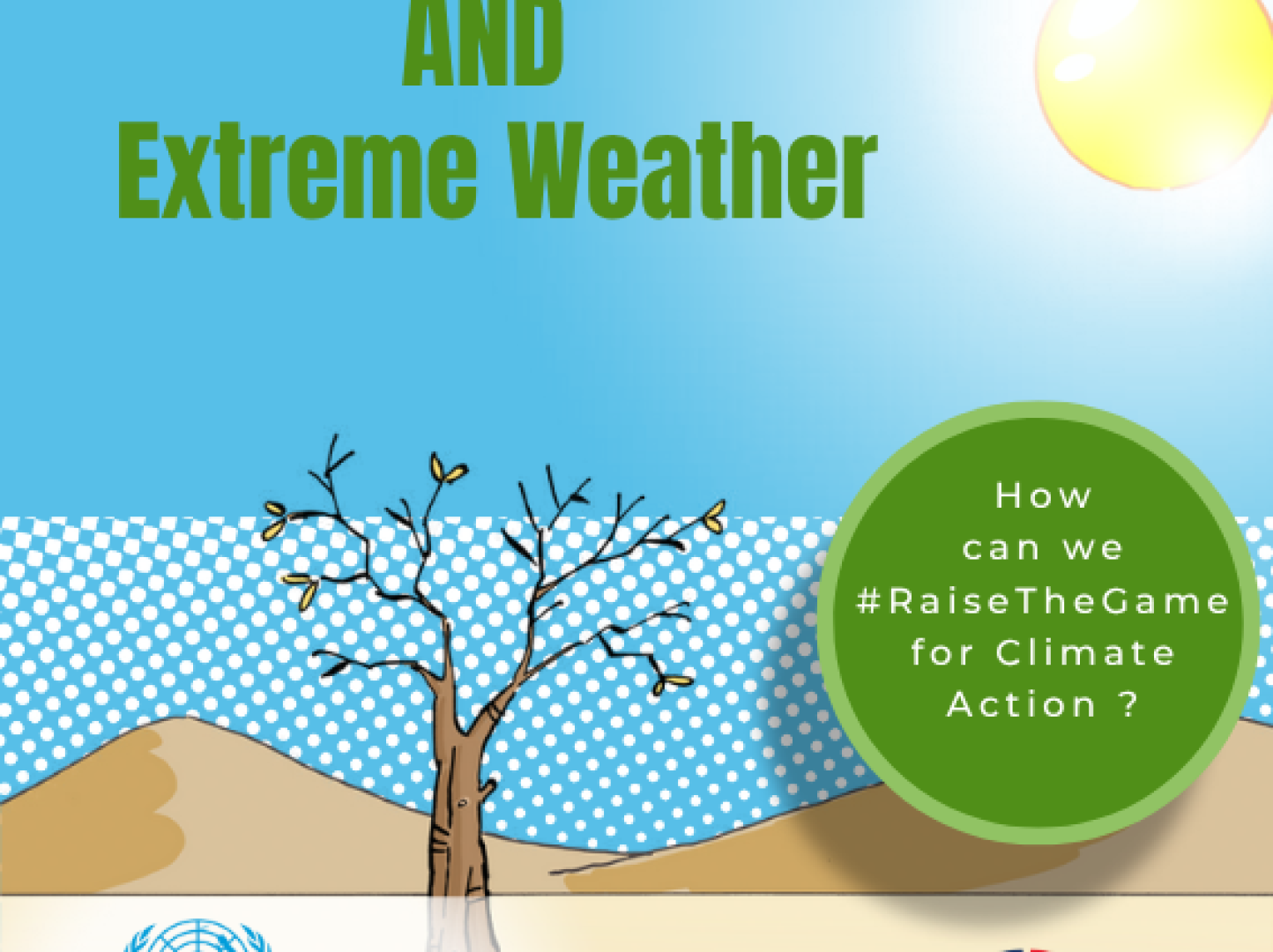


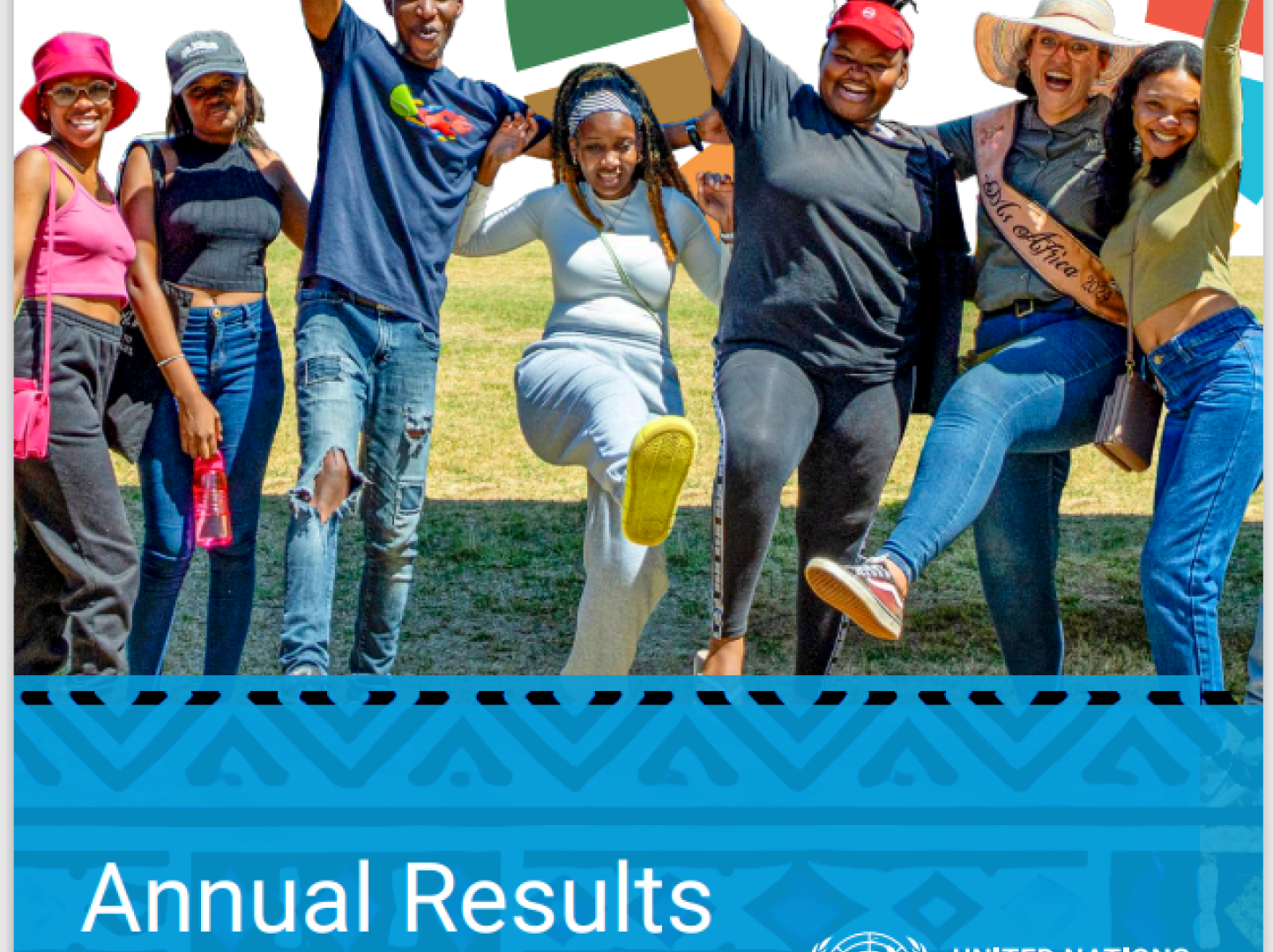
Resources
27 March 2025
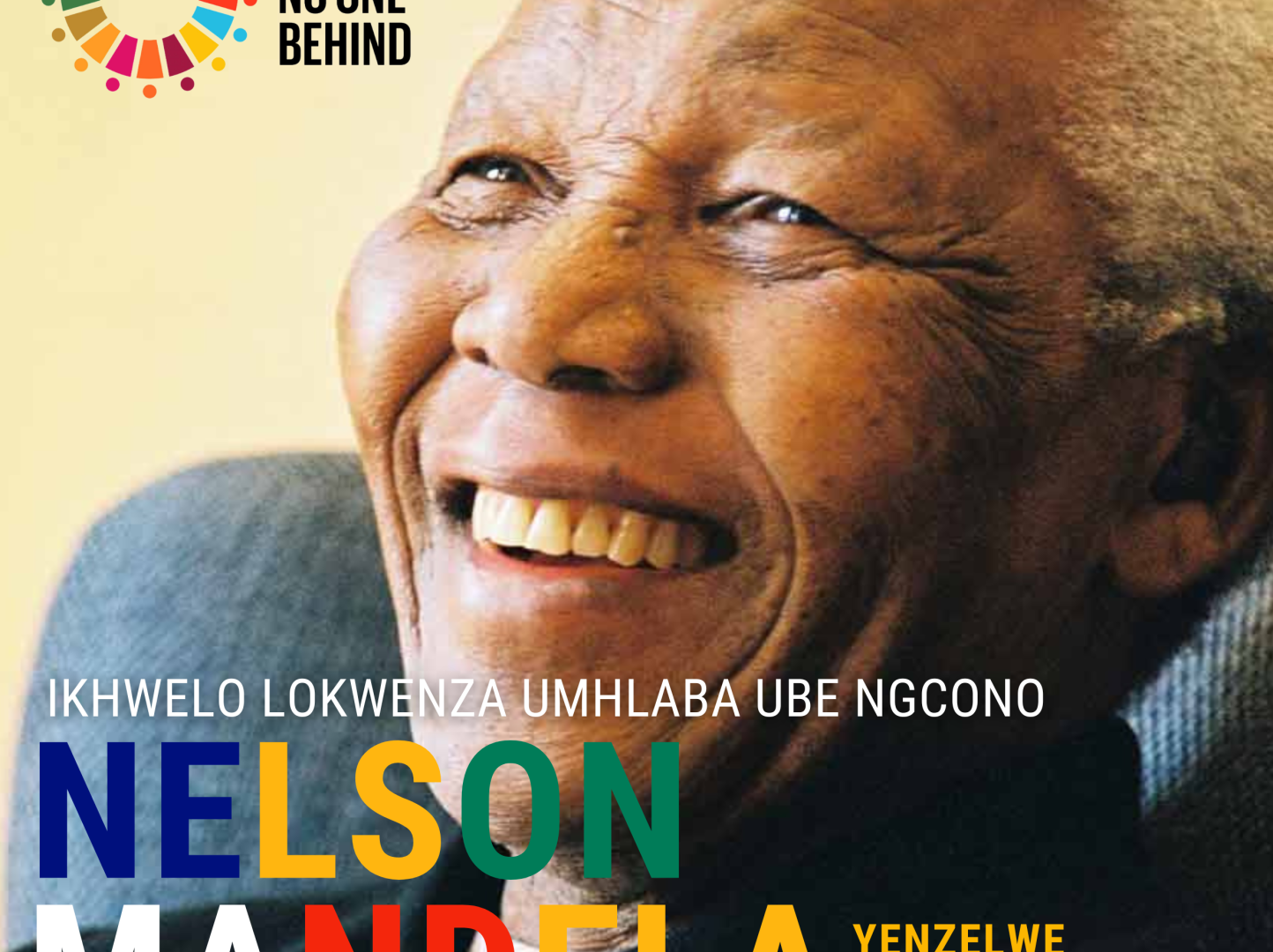
1 / 11