Advancing Social Development and Justice: Reflections on the Second G20 Social Summit
The message is clear: social development and justice must stand at the heart of international cooperation.
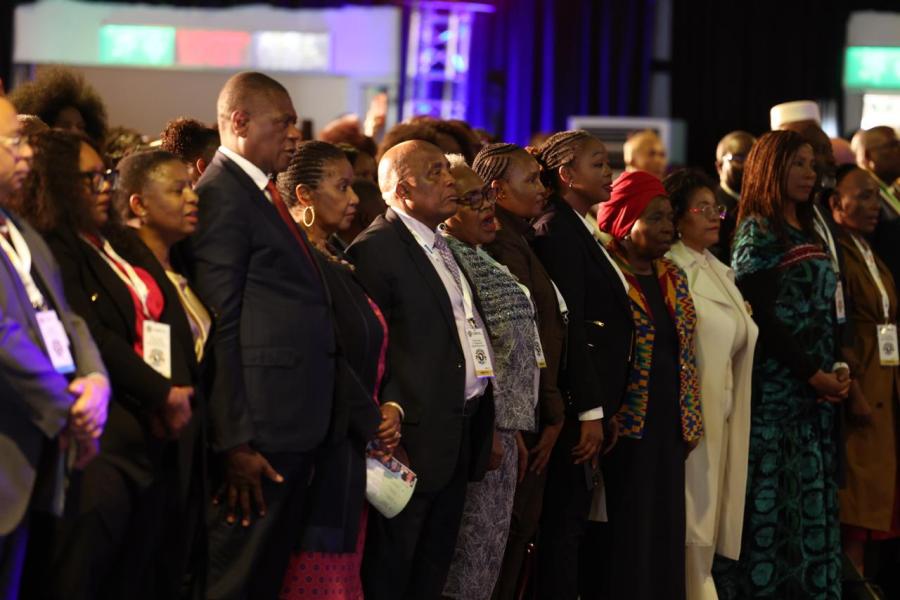
The ongoing Second G20 Social Summit in South Africa marks a pivotal moment for global governance and inclusive development. As stakeholders from civil society, community organisations, faith and traditional leaders, labour unions, entrepreneurs, and indigenous groups gather ahead of the G20 Leaders’ Meeting, the message is clear: social development and justice must stand at the heart of international cooperation.
For South Africa, this conversation is deeply relevant. Our Country Analysis and the new United Nations Sustainable Development Cooperation Framework (2026–2030) underscore the urgency of tackling structural poverty, inequality, and governance deficits while building resilience against climate and economic shocks. These priorities are not abstract—they reflect the lived realities of millions and the aspirations of a nation committed to transformation.
Social development and justice are foundational to the Sustainable Development Goals (SDGs). Without addressing inequality, hunger, and exclusion, progress on other goals—whether economic growth, education, or climate action—will remain elusive. South Africa’s context illustrates this interdependence: despite being an upper middle-income country, persistent disparities in access to jobs, education, and social protection continue to undermine social cohesion and stability. The Cooperation Framework responds to these challenges through the following underlying and integrated priorities:
• Supporting Economic Growth and Social Inclusion
• Tackling Structural Poverty and Inequality
• Promoting Good Governance, Accountability, and Rights
• Building Resilience through Sustainability and Risk Preparedness
The G20 Social Summit amplifies these imperatives on a global stage. Under South Africa’s G20 Presidency and its theme of Solidarity, Equality, and Sustainability, the Summit seeks to elevate social justice and inclusion to the same level of urgency as macroeconomic and trade issues. This is not only about representation—it is about transforming governance to reflect the voices and needs of those historically marginalised.
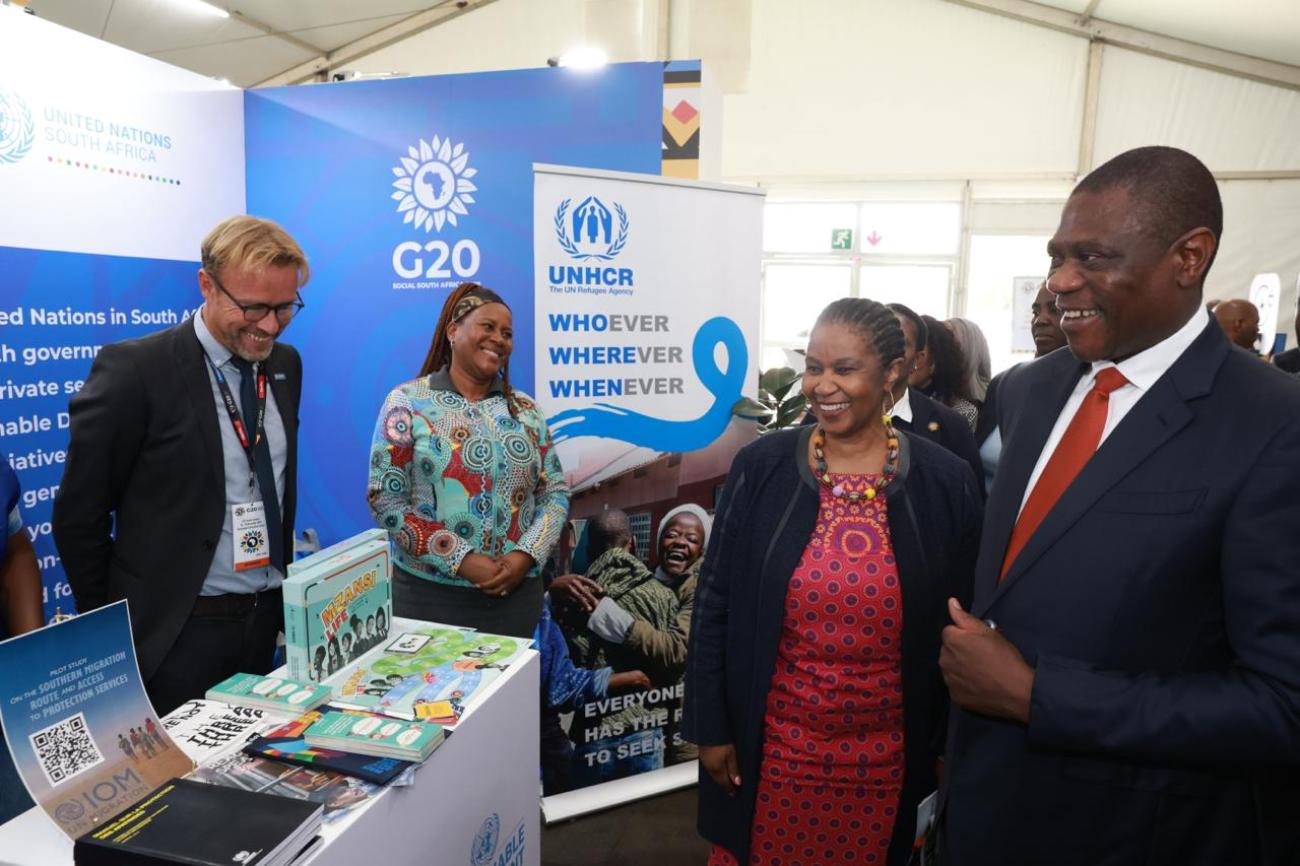
The United Nations in South Africa is proud to accompany and support this effort. Through our exhibition space at the Summit, we showcase the work of UN agencies driving progress on food security, gender equality, climate resilience, and social protection. These interventions align with the six SDGs transitions from the 2023 SDG Summit and included in our Cooperation Framework —food systems, energy access, digital connectivity, education, jobs and social protection, and climate action—each offering catalytic impact across the SDGs.
As global leaders prepare to meet, the call from South Africa resonates worldwide: people—not profit, not politics—must be at the centre of development. Advancing social development and justice is not optional; it is essential for achieving the 2030 Agenda and ensuring that no one is left behind.




Written by
UN entities involved in this initiative
Goals we are supporting through this initiative